





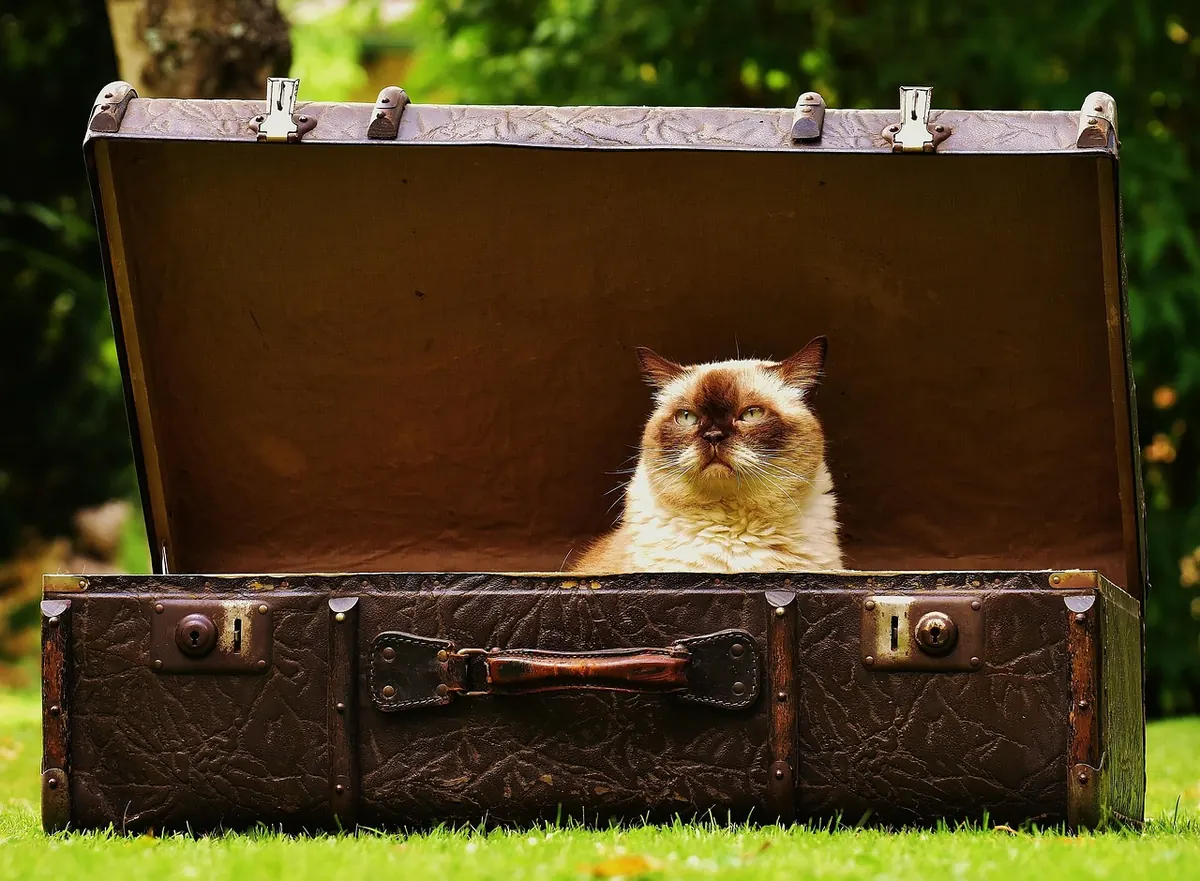
Packing for a long weekend in Lisbon is easy. Packing for ten days there when you paid £40 for the flight is a puzzle worth solving properly. Hand luggage rules are less about sacrifice than about having a system, and once you've got one, you never queue at a check-in desk again — or pay a gate fee for a bag that was three centimetres too wide.
Start with your airline, not your wardrobe
Budget carriers nearly all use the same two-tier trick: a small bag that fits under the seat in front of you is free, and anything bigger goes in the overhead locker only if you've paid for priority boarding or a cabin bag add-on. Turn up with the wrong one and you'll be charged at the gate, often more than the fare itself.
Sizes shift, so always check your booking confirmation before you pack. As a rough guide to what's typical:
- Ryanair: free bag around 40 x 20 x 25cm; priority bag around 55 x 40 x 20cm, up to 10kg
- easyJet: free bag around 45 x 36 x 20cm; large cabin bag around 56 x 45 x 25cm if you've paid for it
- Wizz Air: free bag around 40 x 30 x 20cm; paid bag around 55 x 40 x 23cm
- Jet2: around 56 x 45 x 25cm at 10kg, one of the more generous allowances
Those free under-seat bags are tiny. Picture a rucksack you'd take on a day hike and you're close. The metal measuring frames at the gate have no give in them, and wheels and handles count towards the dimensions, so measure with a tape rather than trusting the label. If your bag is soft-sided and you've crammed it, it may bulge past the frame even when empty it measured fine.
Buy a bag for the smallest allowance you'll ever fly with
The temptation is to buy the biggest cabin bag you can and hope. Better to buy slightly under the free limit and accept that you'll sometimes pay for priority when you want more room. A soft-sided holdall or rucksack in dark, wipe-clean fabric will squeeze into a tight frame; a rigid wheeled case that's exactly on the limit won't.
Ignore expandable zips. They tempt you to overpack in the departure lounge, and expanded bags are exactly what staff are looking for. One main compartment, one flat front pocket, and a strap that lets you compress the whole thing is plenty.
Build a seven-day capsule, then let laundry do the rest
Most people pack for the trip they're imagining rather than the one they're taking. If you're away for a week or more, assume you'll do one sink wash halfway through. That changes the maths completely.
For a week in a mild climate, this is a realistic load:
- Four or five tops that layer — a mix of short and long sleeves
- Two bottoms: one pair of trousers or jeans, one lighter option
- One warm mid-layer, such as a thin jumper or fleece
- One pair of shoes worn on the plane, one pair packed flat
- Underwear and socks for four days, then wash
- A swimsuit if there's any chance of water, which doubles as a spare layer
- A scarf or light wrap — plane blanket, beach cover-up, evening layer
Stick to two neutral colours plus one accent, so everything matches everything. Three outfits that work in any combination beat eight that only work once.
Fabric matters more than quantity
Merino wool and technical blends dry overnight and resist smells; heavy cotton and thick denim do neither and weigh a tonne. If you're washing in a sink, thin fabrics are the difference between dry by morning and damp in your bag for three days.
Liquids, power banks and the details people get wrong
The familiar rule is 100ml containers in a single clear one-litre bag, one per person. Some UK airports now have newer scanners that allow larger amounts, and the situation has changed back and forth in places, so check your specific departure airport before you travel rather than assuming. Decant anything you need into small bottles and label them; a hotel shampoo bottle that says 200ml will be taken off you even if it's half empty.
Solid toiletries solve most of this. Shampoo bars, solid deodorant and toothpaste tablets take up no liquid allowance and can't leak over your clothes. If you take regular medication, keep it in its original packaging in your hand luggage, and speak to your pharmacist or airline if you need documentation or fridge storage.
Power banks must travel in the cabin, never in checked baggage — that's a firm rule on every airline. Beyond that, a single multi-port charger and one universal adapter will cover almost any trip. Plane USB sockets are slow, so charge everything the night before rather than relying on them.
Space-saving techniques that hold up in a real hotel room
- Roll soft items, fold structured ones. Rolling wins for t-shirts and knitwear; folding wins for shirts and anything you don't want creased.
- Pack by category, not by day. All tops together, all toiletries together. You'll find things without unpacking the whole bag.
- Use your shoes as containers. Socks, charging cables and a belt fit inside them. Bag the shoes first so nothing gets marked.
- Put weight in the right place. In a rucksack, heavy items go against your back and high up. In a wheeled bag, keep heavy items low and near the wheels.
- Wear your bulkiest clothes on the plane. A coat, boots and jeans on your body are weight you aren't carrying in your bag.
- Leave roughly a tenth of the space empty. You'll want it for something you buy, and a slightly under-full bag is easier to close.
- Take a folding tote. It weighs almost nothing and becomes your day bag at the other end.
Compression cubes genuinely help with bulky knitwear, but they also make it easy to overpack, because you stop noticing how much you've squeezed in. Weigh your bag on a bathroom scale before you leave if there's a limit on your ticket.
The night-before check
Five minutes the evening before saves a lot of stress at the airport. Weigh the bag, or at least lift it and ask yourself honestly whether you'd carry it for a mile. Put your liquids bag and any medication at the top of your bag, where you can reach them without emptying everything into a security tray. Charge your phone and power bank. Fill a reusable water bottle after security rather than paying airport prices. Screenshot your boarding pass in case the signal drops.
And if it doesn't all fit, that's the answer, not a challenge. Take something out. The trip will be the same without it, and your shoulder will thank you.
Photo: Alexas_Fotos / Pixabay