



Britain's national parks are working landscapes rather than fenced-off wilderness: sheep on the fells, drystone walls, reservoirs feeding cities. That is part of their appeal, and it is also why a good day out in one takes a little thought. Snowdonia, the Lake District and the Peak District all serve up serious walking and cold, clear water, but they suit different appetites and different weather. Here is how they compare, and what to sort out before you pull on boots or a wetsuit.
Snowdonia (Eryri): the most vertical option
Eryri is the sharpest of the three. Yr Wyddfa (Snowdon) tops out at 1,085 metres, and the paths up it range from a long, steady plod to Crib Goch's exposed knife-edge arête, which is a mountaineering route in all but name. The Watkin Path, starting from Nant Gwynant, gives you the best of both: a gradual climb through old slate workings, then a steep, hands-on finish. Elsewhere, Tryfan and the Glyders deliver scrambling, and Cadair Idris in the south of the park offers a quieter, longer day.
Weather here changes fast. It is common to leave Llanberis in sunshine and reach the summit in cloud and sideways rain, so a shell and spare layer go in the pack whatever the forecast says. Parking at Pen-y-Pass fills by mid-morning in summer; the Snowdon Sherpa buses link the main car parks, Llanberis and Betws-y-Coed, and they are the sane option on a busy weekend.
For swimming, Llyn Idwal sits a short walk from the Ogwen valley car park and is bracingly cold even in August. Llyn Cau, cupped beneath Cadair Idris, and Glaslyn, high on Yr Wyddfa, are proper mountain swims with steep walk-ins and few easy exits — save those for a day when you are already comfortable in cold water. Lower down, Llyn Padarn and Llyn Gwynant are gentler and easier to reach.
The Lake District: the all-rounder
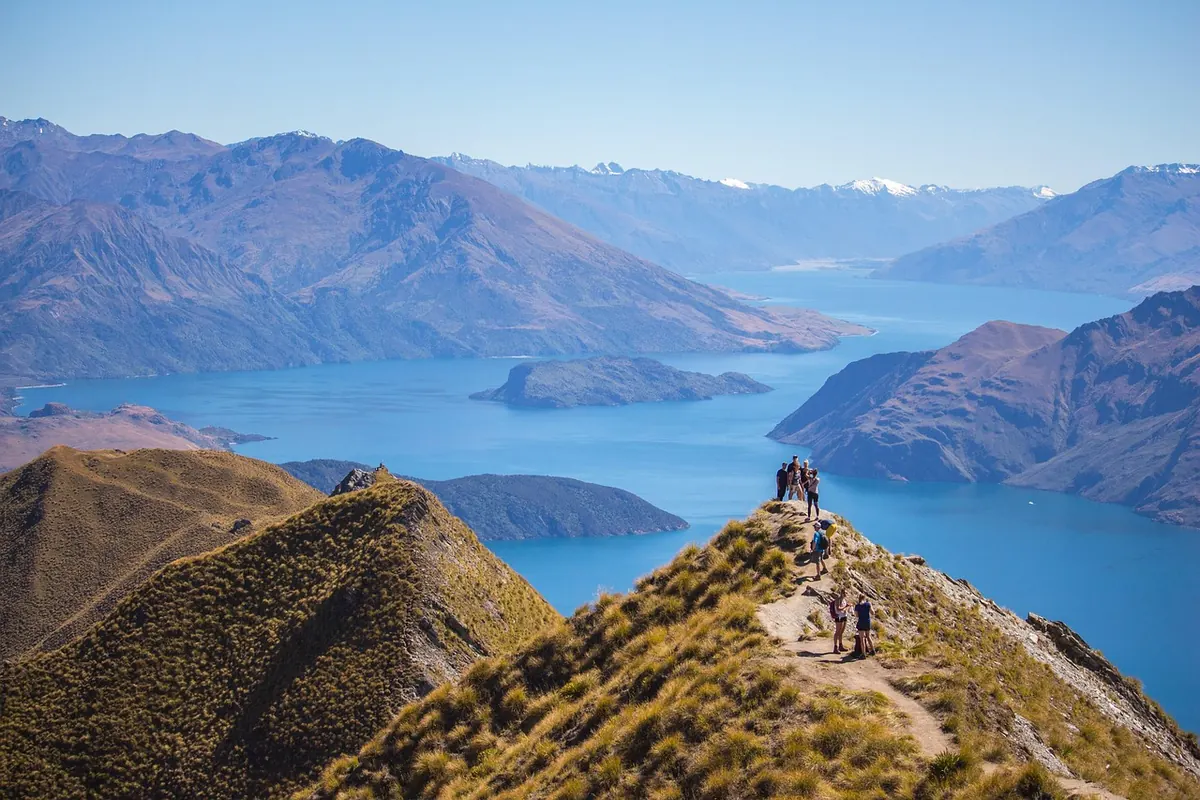
If you want one park that does everything reasonably well, this is it. Scafell Pike is England's highest summit, Helvellyn's Striding Edge is the country's best-known ridge walk, and there are lower classics — Catbells, the Buttermere circuit, Great Langdale — for days when cloud is sitting on the tops. Path erosion is a real issue on the honeypots, so stick to pitched stone paths where they exist rather than widening the scars with shortcuts.
The swimming is the reason many people come back. Buttermere and Derwentwater have easy shore access and forgiving exits; Wast Water, the deepest lake in England, shelves quickly into water that stays numbingly cold all year. Eskdale's river pools and Tongue Pot are popular on warm afternoons, and the upper reaches of the Duddon are quieter if you are willing to walk a little further.
Traffic is the practical problem. Valley car parks are full by nine on summer weekends, so use the launches on Derwentwater and Windermere, the Borrowdale bus, or simply start walking from your accommodation.
The Peak District: the accessible one
The Peak is the park most people can reach without a car, and it is the friendliest of the three for a first hill day. Kinder Scout via Grindsbrook or Jacob's Ladder gives a proper plateau walk with peat bogs to negotiate; Mam Tor and the Great Ridge is a shorter outing with a huge payoff; Stanage Edge, Dovedale and Chee Dale are good half-days. Edale has its own railway station, which makes a car-free trip genuinely straightforward.
Wild swimming here is mostly river swimming: Three Shires Head, stretches of the Wye around Millers Dale, the pools below Slippery Stones in the Upper Derwent. It is shallower and often warmer than the lakes, but also busier. Some well-known dips have come under pressure from landowners and rangers because of litter, parking and bank erosion, so check current local guidance before you set off and be prepared to walk on to a quieter spot.
Beyond the big three
Bannau Brycheiniog (Brecon Beacons)
Pen y Fan is the draw, but the real reward is Waterfall Country in the Neath valley, where a network of paths links plunge pools and gorges. It is slick underfoot after rain and the water rises quickly, so pick a dry spell.
The Cairngorms
Scotland's largest park feels wilder and emptier. The walks are longer, the midges are committed, and the lochs are cold enough to demand a wetsuit outside high summer. Access rights are broader than in England and Wales, but they come with responsibilities.
Pembrokeshire Coast
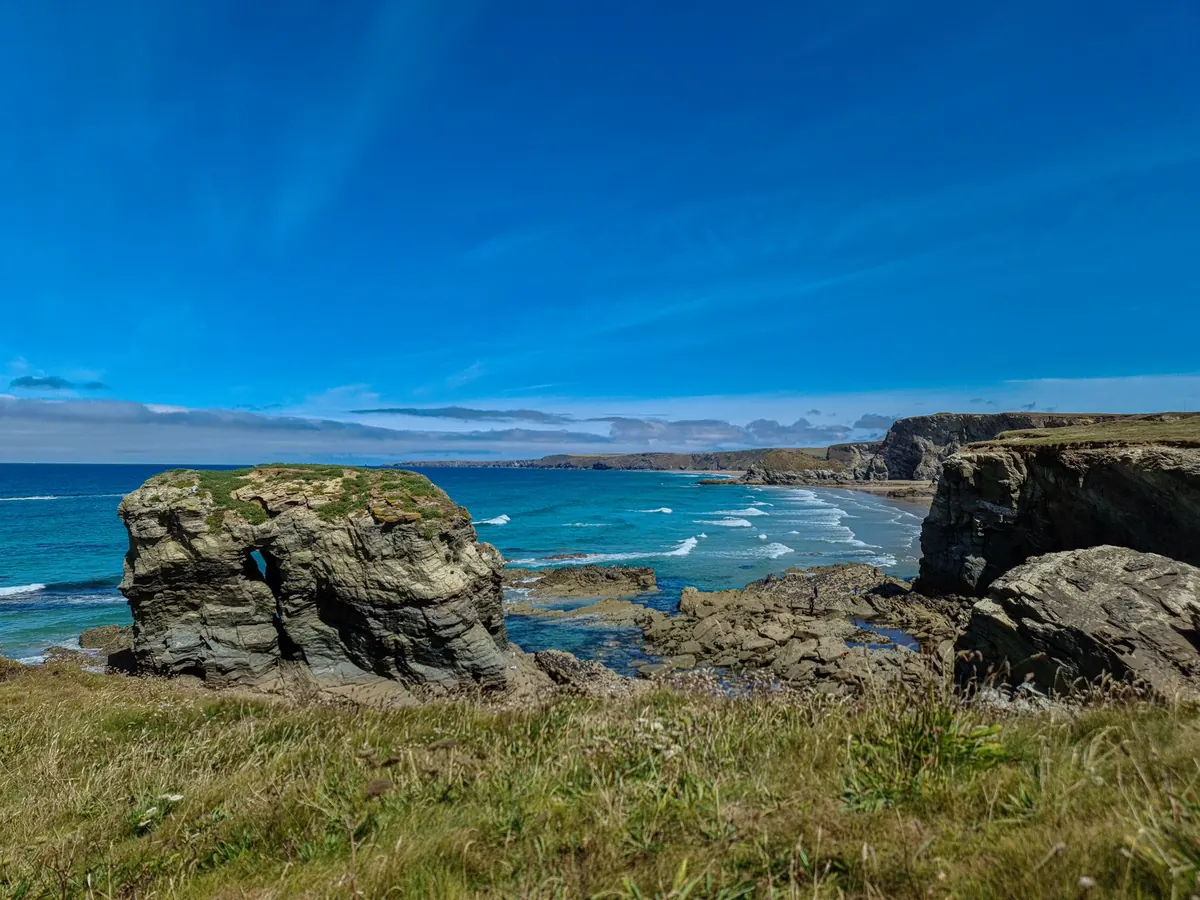
The only wholly coastal national park, and the obvious choice if you would rather swim in salt water than peaty fresh water. The coast path delivers cliff scenery, coves and harbour villages. Tides and rip currents matter here far more than in a lake.
Cold water: what actually matters
Cold water shock, not distance, is what catches people out. The gasp reflex on entry can be overwhelming, and a river or llyn at 12°C is still cold enough to affect your breathing and your ability to swim.
- Go with someone and stay in sight of each other. Tell a third person where you are and when you expect to be back.
- Enter slowly: feet, then knees, then waist. Let your breathing settle for a minute or two before you commit to swimming.
- Check for blue-green algae, which looks like spilled paint or pea soup. Avoid it, and avoid water immediately downstream of livestock.
- Stay away from weirs, sluices and anything with a recirculating current. Rivers rise fast after rain, even miles away.
- At the coast, check the tide and look for rip currents before you get in.
- Leave warm, dry clothes within reach and use a dry bag for keys and phone. A tow float makes you visible; a wetsuit lets you stay in longer.
If you have a heart condition, are pregnant, or have not swum outdoors before, speak to a doctor first. In England and Wales there is no general right to swim in every river and lake; many spots depend on permissive access and goodwill, so read signs and follow local advice. Scotland's access rights are wider but come with the same expectation of care.
Timing, kit and a sensible plan
Start early or go midweek. Inland water tends to be at its warmest from late summer into early autumn, once it has had months of sun; spring is quieter but colder. Autumn is arguably the best all-round season for walking, with fewer people and clearer air.
Kit worth carrying: grippy boots, waterproof jacket and trousers, a paper map and compass alongside your phone, a headtorch, a spare insulating layer, water and food, a basic first aid kit, and for swimming a towel, a changing mat, sandals for the walk out and a dry bag.
If you are travelling by train, Edale, Windermere and Betws-y-Coed all have stations with walks starting nearby, and local buses fill the gaps between valleys.
Start with the park that fits your day
Choose the Peak District for a first hill day, an easy train journey and river dips. Choose the Lake District when you want variety — a ridge in the morning, a lake swim in the afternoon, a pub within walking distance of both. Choose Eryri when you want height, exposure and a swim that feels earned. Whichever you pick, check the forecast the night before, tell someone your plan, and turn back if the weather or the water says so. The hills will still be there next weekend.
Photo: timbri97 / Pixabay