


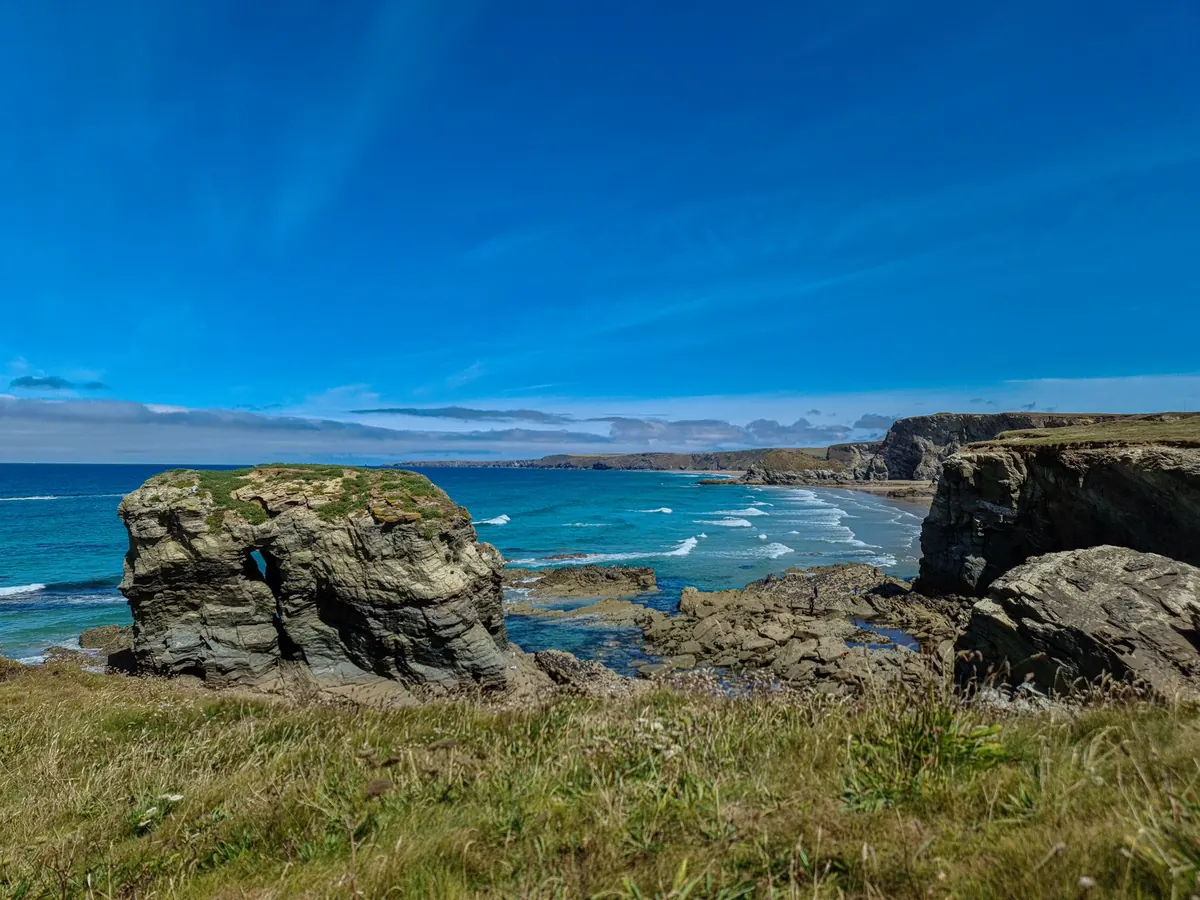

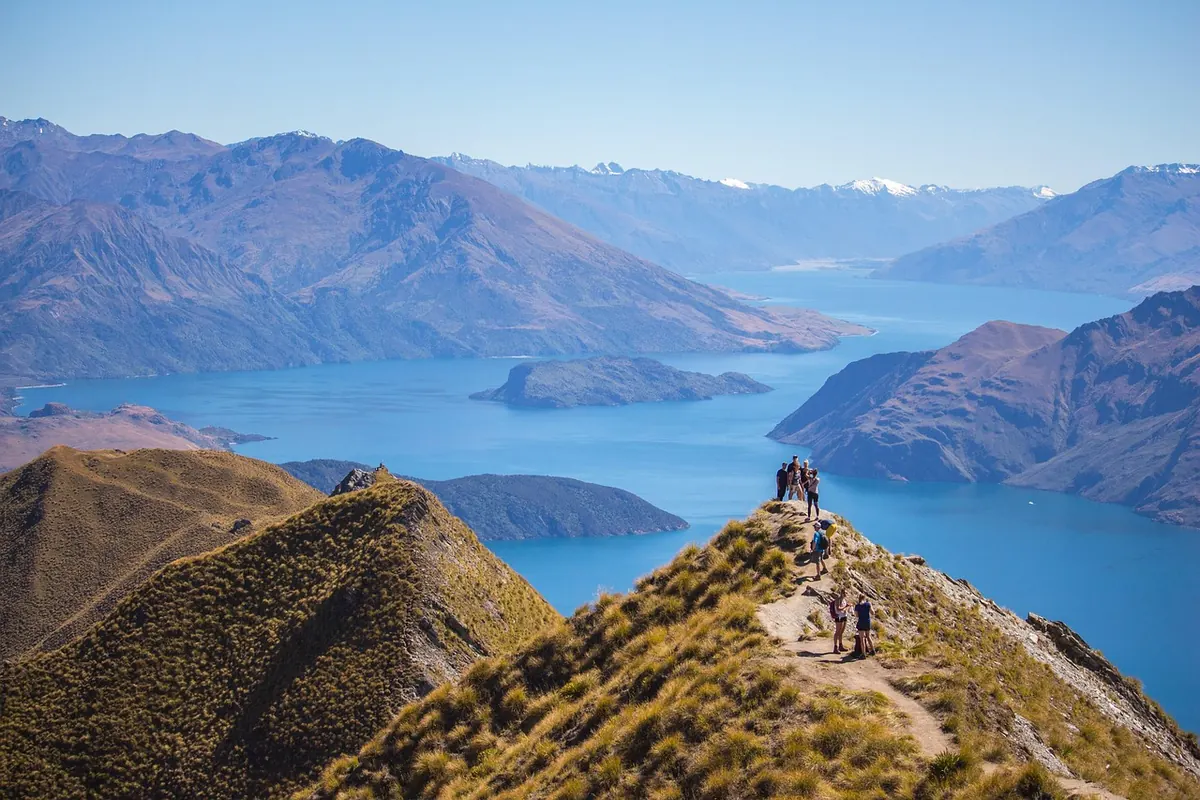
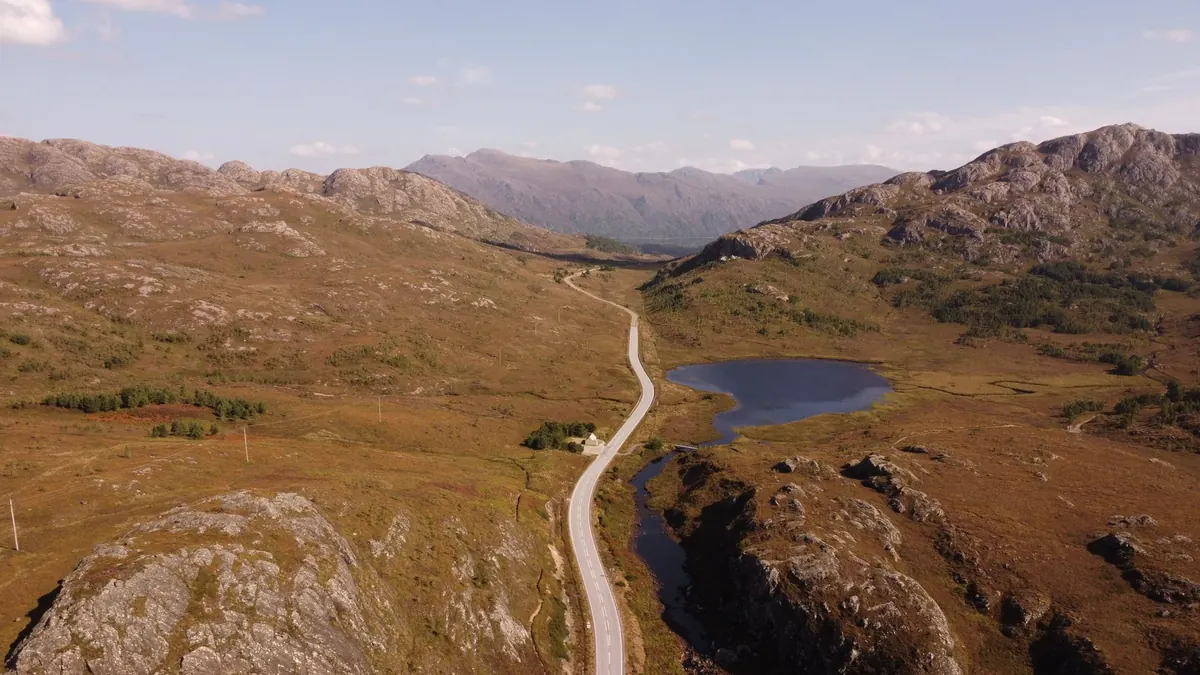
Scotland's North Coast 500 is sold as a route, but it works better as a pace. The loop runs 516 miles from Inverness Castle, out through Wester Ross, across Sutherland and round the top of Caithness before dropping back down the east coast. You could drive it in three days and remember mostly tarmac. Seven days gives you room to walk to a waterfall, eat something that was landed that morning, and sit out a rain shower without watching the clock.
What follows is the shape most first-timers find comfortable: roughly 70 to 100 miles a day, with the longest stretches on the far north where the road opens up and the stops are further apart.
Planning the Week
Book accommodation before you book anything else. The north-west has a limited number of beds and summer weekends sell out months ahead. Then build the days around the places you actually want to linger.
- Day 1: Inverness to Applecross, over the Bealach na Bà
- Day 2: Applecross to Gairloch, via Torridon
- Day 3: Gairloch to Ullapool, via Inverewe and Gruinard Bay
- Day 4: Ullapool to Durness, through Assynt and Kylesku
- Day 5: Durness to John o' Groats, via Tongue and Bettyhill
- Day 6: John o' Groats to Dornoch, along the east coast
- Day 7: Dornoch to Inverness, via the Black Isle
Fuel up whenever you pass a station, even if the tank is half full. Fill up in Inverness, Ullapool, Thurso, Wick and Dornoch, and treat anything else as a bonus rather than a plan.
Days 1 and 2: Inverness to Gairloch
Day 1 — Inverness to Applecross
Leave Inverness early and head west along the A835 towards Garve, then take the A832 through Achnasheen and on to Lochcarron. From there the road climbs the Bealach na Bà, a single-track pass with tight hairpins that rises to around 626 metres and delivers one of the finest views in the country on a clear day. It is not suitable for large motorhomes or caravans; if you are driving something sizeable, take the coast road round from Shieldaig instead — it is slower but far kinder.
Applecross itself is a scattering of crofts, a walled garden and a couple of places to eat. Arrive with time to walk the coast path towards Sand and look back at the pass you have just crossed.
Day 2 — Applecross to Gairloch
The coast road north to Shieldaig is the day's reward: single-track, fringed with birch and heather, with seals often visible on the rocks below. From Torridon the scenery turns mountainous, and the stretch beside Loch Torridon is worth stopping for properly — park in a layby, not in a passing place. Continue through Kinlochewe and down to Gairloch, where the beach at Big Sand is a good place to end the afternoon.
Days 3 and 4: Ullapool and the Far North-West
Day 3 — Gairloch to Ullapool
Head north through Poolewe, where Inverewe Garden is worth two hours if the weather is kind. Then follow the coast past Gruinard Bay and Aultbea, with long views across to the Summer Isles, before turning inland to Ullapool. The village sits on Loch Broom and has a decent choice of places to eat, plus a small museum if the rain sets in.
Day 4 — Ullapool to Durness
This is the day many people remember. The A835 and then the A894 take you past Knockan Crag, through the strange, bare landscape of Assynt, and over the Kylesku Bridge. Ardvreck Castle, on the shore of Loch Assynt, is a five-minute stop that turns into twenty. Beyond Scourie the road empties out, and you arrive at Durness with its white beaches at Balnakeil and the sea cave at Smoo.
Day 5: Durness to John o' Groats
Turn east along the A838 through Tongue, where the causeway view over the Kyle is worth pulling in for, then on to Bettyhill and down the Strathnaver valley. From Thurso, take the short detour to Dunnet Head — the most northerly point of mainland Britain — before finishing at John o' Groats. That final stretch is the longest day of the trip, so leave Durness by mid-morning.
Days 6 and 7: The East Coast Home
Day 6 — John o' Groats to Dornoch
Follow the A99 south through Wick, then the A9 down the coast. The Whaligoe Steps, a flight of stone steps cut into a cliff, are a stiff but memorable detour near Ulbster. Further on, Dunrobin Castle sits above the sea near Golspie, and Dornoch itself has a handsome cathedral and a long, empty beach. Distillery tours are available around Tain if you have time and a designated driver.
Day 7 — Dornoch to Inverness
Cross the Dornoch Firth and cut across to the Black Isle. Cromarty is a quiet, Georgian town with a small harbour, and Chanonry Point near Fortrose is one of the best places in Britain to watch bottlenose dolphins from the shore, particularly on a rising tide. Finish with Culloden Moor or the Clava Cairns just outside Inverness, then hand back the keys.
Driving Tips and Where to Stay
Most of the north-west is single-track with passing places, and the local conventions matter.
- Pull into a passing place on your left to let oncoming traffic through. If the passing place is on your right, wait opposite it rather than in it.
- Give way to vehicles coming uphill where you can do so safely.
- Never park in a passing place. Use laybys, and keep them clear for other road users.
- Expect sheep, deer and the occasional slow-moving tractor around blind bends.
- Budget an average of 30 to 35 mph rather than the speed limit, and plan accordingly.
Accommodation ranges from village inns and bed and breakfasts to self-catering cottages and a handful of larger hotels. Areas with the fewest options include Applecross, Durness, Tongue and Bettyhill, so those are the nights to book first. Mobile signal is patchy, particularly around Assynt and the far north-west; download offline maps before you leave Inverness.
When to Go and Booking Ahead
May, June and September are the sweet spots: long daylight hours, fewer midges than high summer, and a better chance of finding space. July and August are busiest and the midges are at their most persistent on still, damp evenings, so pack repellent and a midge head net if you plan to camp.
Weather changes fast in the north-west. A waterproof jacket, layers and shoes you do not mind getting muddy will serve you better than anything else in the bag. Book ferries, tours and popular restaurants in advance where you can, and leave one afternoon deliberately unplanned — the best stops on this route are usually the ones you did not know about.
Photo: Christian / Pexels