





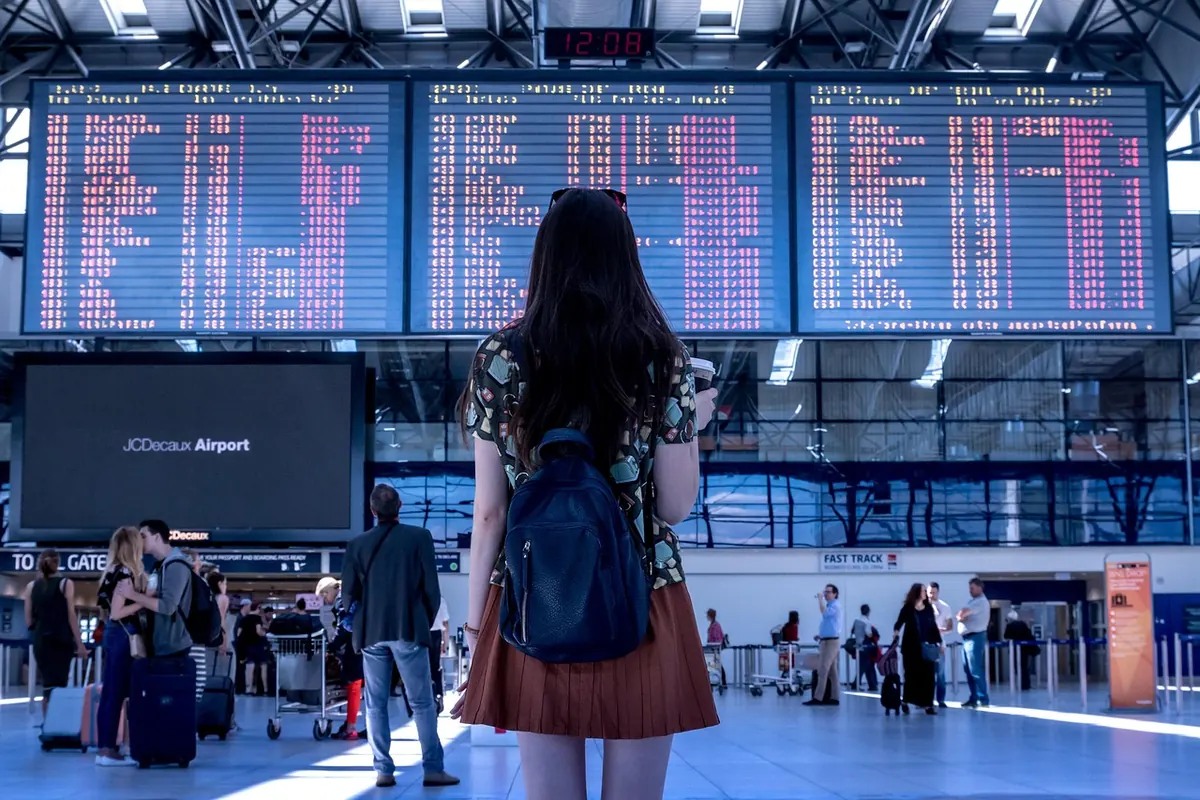
Budget airlines did more than anyone to make flying from the UK affordable, and most of the time they deliver exactly what you paid for: a seat, a small bag, and a landing. The trouble starts when the fare you clicked on and the amount that leaves your account turn out to be two very different numbers. That gap is rarely a scam. It's a set of rules most of us skim past on the way to the payment page. Here's where the money goes, and how to keep it.
Read the fare rules, not just the fare
Most low-cost carriers sell the same seat in two or three versions. The cheapest is deliberately bare: a small personal item that slides under the seat in front of you, no hold luggage, no seat choice, no changes. Everything else is an add-on, and the add-ons are where the airline earns its money.
Before you compare prices, open the fare conditions and answer two questions. What is actually included, and what happens if my plans change? On the cheapest fares, moving a date can cost more than buying a new ticket, and cancelling usually means waving goodbye to the money. Policies on taxes and charges vary between carriers, so read the airline's own terms rather than assuming.
A slightly higher fare that includes a cabin bag and a seat is often the better buy. Compare like with like, with the bags and seats you genuinely need already added.
Baggage: the biggest source of surprises
Cabin bags
Size limits differ by airline and change from time to time. Measure with a tape and weigh on kitchen scales before you travel; a case that sailed through on one carrier may be turned away by another. Many airlines now sell two cabin options: a small bag that goes under the seat, included on the basic fare, and a larger one that goes in the overhead locker, charged extra. Arrive at the gate with the wrong one and you'll pay an oversized fee that can dwarf the ticket price.
Hold luggage
Add hold bags at the time of booking. Prices climb as departure approaches, and the airport rate is higher still. For two people on a short break, one shared 20kg bag is often cheaper than two cabin bags plus priority boarding for each of you. Sports gear, instruments and anything oversized almost always needs to be booked in advance, not at the desk.
Seat selection, and the randomness tax
If you don't pay for seats, they are usually allocated at check-in and often fill from the back. Couples get split, groups get scattered, and children can end up rows away from their parents. Some airlines guarantee that young children sit with an adult; others make no such promise. Check the policy before you assume it will work out.
Seat fees are charged per person, per leg, so a return trip for a family adds up fast. If sitting together matters more than the saving, budget for it. If it doesn't, save the money and check in the moment it opens. Extra-legroom and exit rows come with conditions: you may need to be able to help in an emergency, and some rows don't recline or have fixed armrests. Read what you're buying before you pay for it.
The airport is part of the price
Airports labelled with a city's name can sit an hour or more from the centre, and the transfer is rarely free. A bargain flight from a secondary airport with a coach or train transfer at each end can work out dearer than a pricier ticket from somewhere you can reach by tube. Add the cost of getting there for a 6am departure, which often means a taxi or an overnight stop.
Check-in deadlines matter too. Online check-in usually closes a few hours before the flight, and miss it and you may be charged to check in at the desk. A few carriers also charge for printing a boarding pass at the airport, so download yours before you leave home and keep a screenshot in case the airport wifi misbehaves. Finally, sort out passports, visas and any electronic travel authorisation your destination requires using official government sources, not a booking site's summary.
Traps hiding in the booking process itself
- Third-party agents. Headline prices can look lower, but when a flight time changes or a name needs correcting, you can end up stuck between the agent and the airline. Book direct when the difference is small.
- Pre-ticked extras. Insurance, car hire, lounge access, priority boarding and carbon offsets are frequently added by default. Read every screen before you pay.
- Two one-way tickets. Sometimes cheaper, but if the first flight is delayed and you miss the second, nobody owes you a replacement. Book a single through-ticket when a connection matters.
- Name errors. Corrections can be expensive or impossible. Copy names exactly as they appear in the passport, including middle names if the airline asks for them.
- Currency and card fees. Paying in the airline's own currency, or with a card that charges for overseas transactions, quietly inflates the total.
- Price movement. Fares aren't held until the payment clears. If the price looks fair, finish the booking.
Before you pay: a quick check
- Add every bag and seat you need, for every passenger, then compare the totals.
- Confirm both legs are priced the same way, including the return.
- Double-check airports, dates and times, especially early-morning returns.
- Estimate the transfer to and from each airport and add it to the cost.
- Re-read the change and cancellation rules one last time.
- Work out what protection applies if the airline fails or your plans collapse.
After booking: keep the paperwork close
Save the confirmation email, the baggage receipts and a screenshot of the fare conditions. Diarise the moment check-in opens so you can grab free seats together or a better allocation. Set a reminder to download boarding passes the day before. If something goes wrong, the paper trail is what gets you a refund or a fix.
Flights departing the UK and the EU come with certain passenger rights around delays, cancellations and assistance, but eligibility depends on the route, the airline and the reason for the disruption. The Civil Aviation Authority publishes clear, free guidance, so start there rather than in a complaints forum. Package holidays sold in the UK are usually financially protected; flight-only bookings often aren't, so it's worth knowing which one you've bought.
None of this is a reason to avoid low-cost carriers. It's a reason to slow down for five minutes at the payment page. Work out the full price, decide what you actually need, and the cheap flight stays cheap.
Photo: JESHOOTS-com / Pixabay